
Skin quality · Margate, Thanet
Polynucleotides in Margate
Polynucleotides are injectable skin treatments made from purified nucleotide chains. They are used to support skin quality on areas such as the face, neck, hands and under-eyes, rather than to add volume or change your features.
Polynucleotide appointments take place at our Margate clinic, welcoming clients from Thanet and across East Kent. Plan your visit to the clinic.
Sian completed skin booster and polynucleotide training through VA Clinic in Romford on 11 April 2024. Meet Sian and read about her training. For hydrating skin boosters such as Profhilo, see skin boosters.
Small bumps, redness or bruising at injection sites are possible. A course may be discussed.
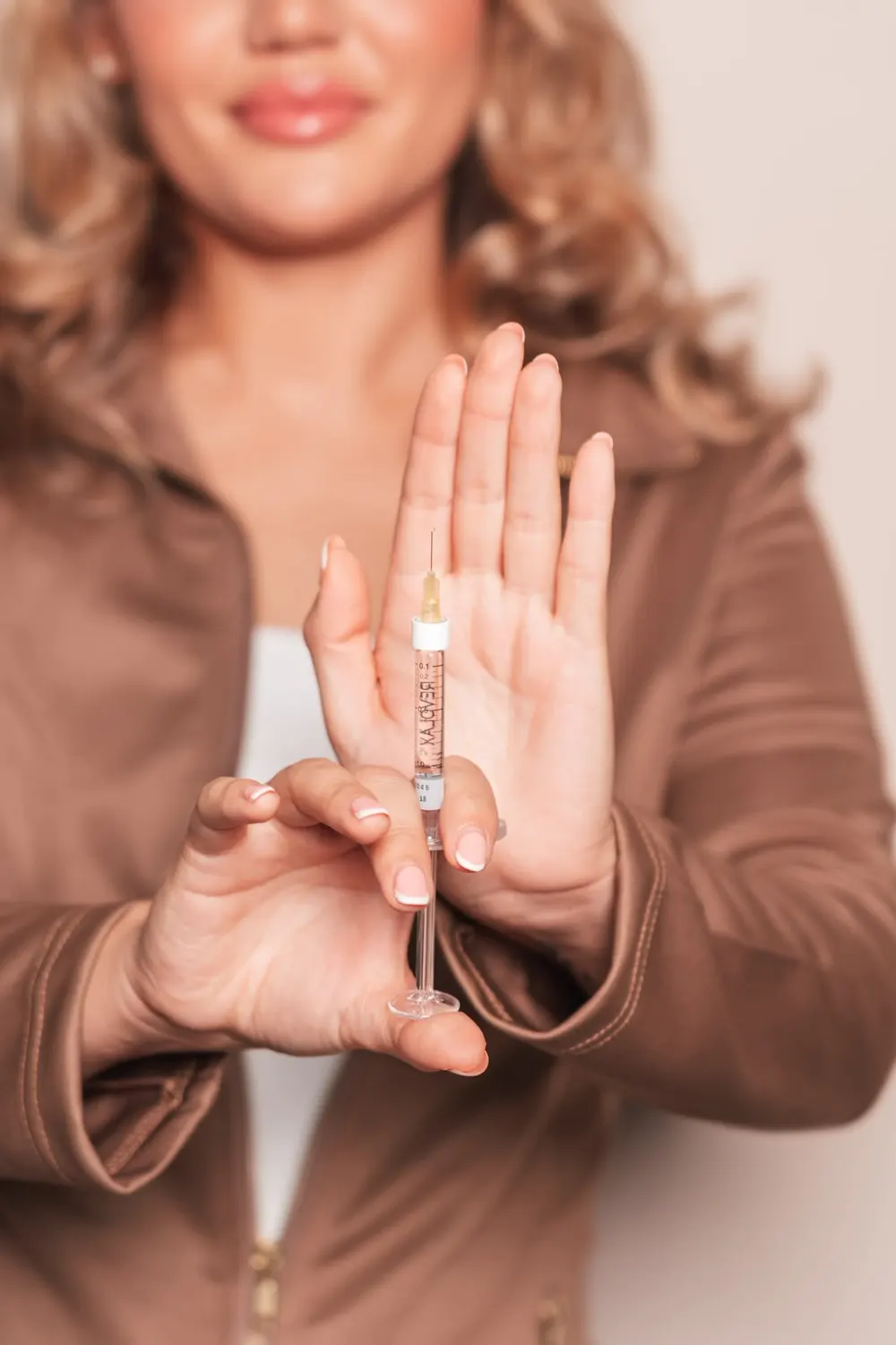
What you can discuss
- Skin that looks tired, thin or crepey
- Under-eye skin quality
- Neck and hand skin
- Combining polynucleotides with other skin treatments
- Whether a course, a single session or no treatment suits you
Products used
Polynucleotide options at the clinic include VITARAN and LumiPN. Availability and the exact product proposed are confirmed at your consultation.
Polynucleotide products are often derived from fish DNA, so ask about the source and all ingredients, especially if you have a fish allergy or dietary concerns. Ask what the product is intended to address, which area would be treated and how many sessions are proposed.
How polynucleotides differ
Polynucleotides are not the same as dermal fillers or hyaluronic-acid skin boosters such as Profhilo. They are not designed to add volume or reshape a feature. The choice between them should be based on your skin, history and goals, and on the properties and limitations of each product. Our guide to polynucleotides and Profhilo sets out the questions to ask.
Persistent inflammation, a rash or an unexplained skin change may need medical assessment instead of a cosmetic treatment. Having a consultation does not commit you to injections or a course.
What the evidence says
Research into aesthetic polynucleotides is developing. Published reviews report promising findings alongside limitations in study size, quality and consistency. Treat claims of rejuvenation or repair as possibilities to discuss, not guaranteed outcomes.
Ask what evidence relates to the product, area and concern being discussed, and how the possible benefit compares with the risks and the full cost of a course.
The appointment
Your appointment begins with a review of your skin concerns, health information and previous procedures. The proposed product, injection sites, number of sessions, discomfort management and aftercare should be explained before you consent.
Treatment involves a series of small injections. The number and placement differ between products and areas. You should be able to describe the purpose of the treatment in your own words before deciding to proceed.
Recovery and progress
Straight after treatment, small injection-site bumps, redness, tenderness, swelling or bruising may be visible, particularly around the eyes. How long they last varies with the product, area and your own response. Do not read early swelling as a sign of improved skin quality.
Any change is usually judged after the agreed course and settling period. Ask when progress will be reviewed and whether photographs will help compare. Before an event, allow recovery time rather than assuming there will be no visible marks.
Aftercare and when to get help
Follow your product-specific aftercare, including advice on skincare, makeup, exercise and heat. Do not change prescribed medication without professional advice.
Increasing redness, pain, warmth or discharge needs prompt assessment: contact the clinic on 07539 784088. Breathing difficulty or rapidly developing swelling of the face or throat is an emergency: call 999.
Investment
- Polynucleotides, one area (face, neck, hands or under-eyes)£180
- Additional session£170
- Extra area, each£120
- 1.1ml filler & polynucleotides£290
Prices are a guide only. Your exact cost is confirmed at your consultation. See the full price list.
General treatment information, updated 9 October 2026. Your individual assessment and written aftercare take precedence.
Your questions
Treatment FAQs
What are polynucleotides?
Polynucleotides are injectable skin treatments made from purified nucleotide chains, often derived from fish DNA. They are used to support skin quality rather than to add volume.
How much do polynucleotides cost?
Polynucleotide treatment is £180 for one area (face, neck, hands or under-eyes), £170 for an additional session and £120 for each extra area. The exact cost is confirmed at consultation.
How many sessions will I need?
A course may be discussed, depending on the product, area and your goals. Ask about the expected number of appointments, the total cost and maintenance before starting.
Are polynucleotides the same as Profhilo?
No. Profhilo is a branded hyaluronic-acid injectable; polynucleotide products have different ingredients and treatment protocols. Ask which product is proposed and why it suits your concern.
Can I have polynucleotides with a fish allergy?
Tell Sian about any fish or seafood allergy before treatment. Many polynucleotide products are derived from fish DNA, so suitability must be checked for the specific product.
Are results guaranteed?
No. Skin response varies and research is still developing. Your consultation should cover realistic expectations and alternatives, including not having treatment.
Related treatments
Take your time. Ask your questions.
Start with a conversation.
Explore your options with Sian. Your consultation is a chance to understand what is right for you, with no obligation to have treatment.
Planning your treatment in Kent
Appointments take place at our Margate clinic. If you are travelling from elsewhere in Thanet, Kent or southern England, discuss assessment, recovery and any return appointments before arranging your journey.
Compare your options and plan your visit · Travel and follow-up questions